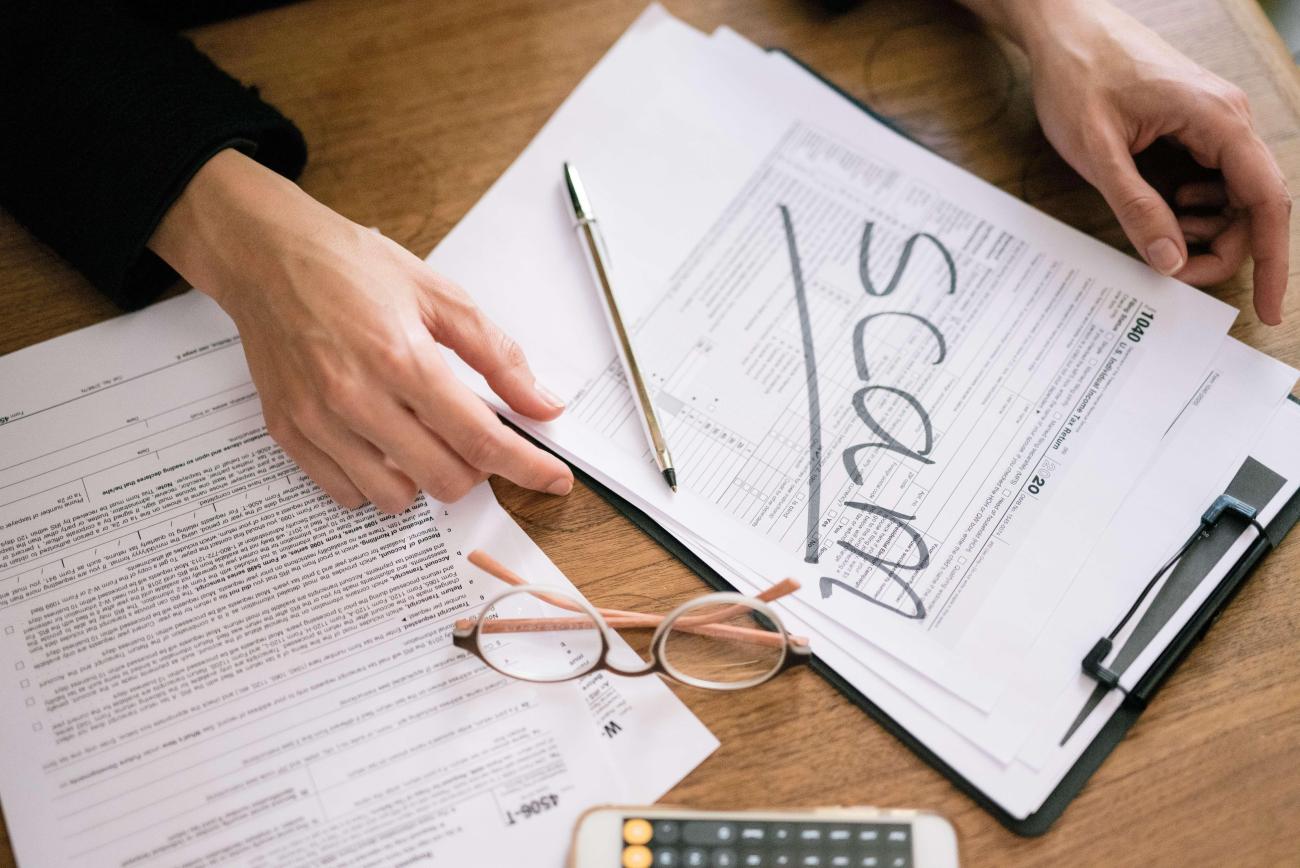
There are many property scams doing the rounds in South Africa and one has to be extra vigilant, whether it be buying, selling or renting a property.
Some of the common property scams include:
- Selling of RDP houses
- Fees to “speed up” public housing applications
- Fraudulent rentals – advertising a non-existent or cloned property advert to trick people into paying a deposit or application fee
- The spoofing (impersonation and/or interception) of email communication between attorneys, estate agents and their clients to fraudulent change banking details
According to Johannesburg Mayor Mpho Phalatse, the Joburg department of human settlements has been inundated with complaints from victims who have lost money to scammers using different fake social media accounts and fraudulently using the department's name and credentials to extort money from vulnerable residents. Victims have been asked to pay between R3 000 and R20 000 to "speed up" the processes of securing RDP houses. This is often done with the help of accomplices on the inside of the government, she said.
Another worrying trend is the increase in fraudulent property rentals. There are many fake rental agents who clone or duplicate legitimate property adverts from other websites and then add their own contact details. They make use of various pressure tactics to extort application fees and deposits from applicants. Always make sure that you meet the rental agent or landlord in person where possible, and verify their details before making any payments. Be extra vigilant if you are doing a property rental from a remote location. Phone the rental agents’ offices to confirm that the agent is legit. Also make sure that all the lease documentation is in order and contains full details of the property as well as the landlord’s full details.
The spoofing and interception of email and other electronic communication is not a new phenomenon, but has become a huge problem in the property industry. The increase in scams perpetrated by the electronic interception of communication between attorneys, estate agents and their clients has been so significant that the Attorneys Indemnity Insurance Fund no longer coverers attorneys who fall victim to cybercrime, says Eduan Milner of Eduan Milner Attorneys, Notaries and Conveyancers. Losses arising out of cybercrime include payments made into an incorrect or fraudulent bank account. This type of fraud entails a phishing-type email aimed at intercepting correspondence to one of the parties and the progress of the transaction is then monitored, with the fraudster sometimes even phoning for updates, says Milner. “Shortly before payment is due, they send an email from an almost identical email address notifying the purchaser or conveyancer of a change in bank details. The email addresses are sometimes so similar that it’s easy to miss the small discrepancy.”
Some tips to avoid being scammed:
- Never pay any deposits, application fees or any other money without first seeing the property and making sure that all documentation is complete and in order.
- Always make sure that you are dealing with a bona fide party. If it is an estate agent, make sure that they are listed with the Property Practitioners Regulatory Authority (previously known as the Estate Agency Affairs Board).
- Be very careful when someone says that they are selling or renting a property on behalf of a friend or family member. Insist on getting the details of the actual owner and verifying that this is correct.
- Never part with your personal details such as copy of ID, bank statements, etc. unless you are 100% sure you are dealing with a legitimate entity.
- Beware of changed banking details, emails coming from different email addresses, changed phone numbers, poorly written emails, misspelling, etc. as these are all red flags that should put you on alert.
- Double check bank details by calling the attorney’s firm before making any payments for costs and deposits.
- Verify the contact details of the estate agent or attorney firm by visiting their website or checking the phonebook. Be suspicious of changed contact details.
- Be alert of high-pressure tactics, whereby you are coerced into paying money to secure the property.
- Watch out for “bargain” deals – fraudsters will try trick you into acting fast so that you can secure the bargain of the century.
- Trust your gut instinct! When in doubt don’t allow yourself to be pressurised into making a silly mistake that could cost you dearly. Make 100% sure that everything is legit before you make any payments.
Image credit: Pexels - Olya Kobruseva